Rozvod rodičů: Jak to ovlivňuje dospělé děti a co s tím dělat
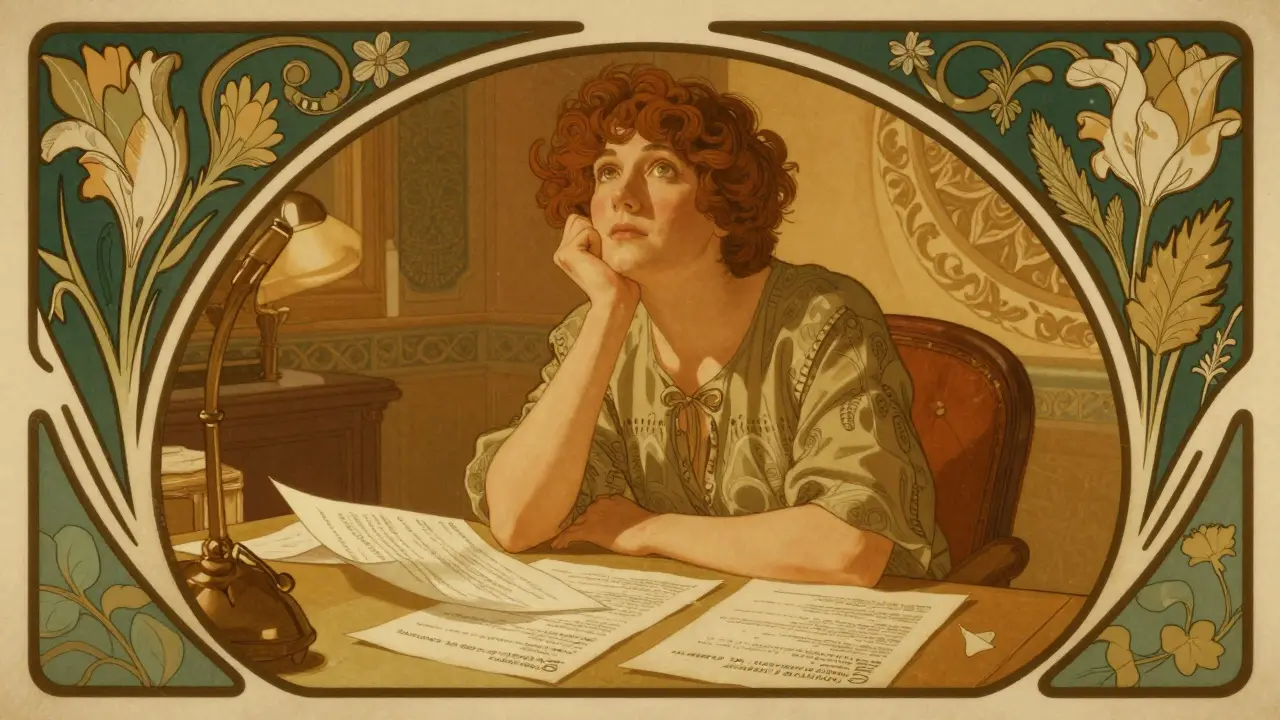
When you grow up with parents who split up, the divorce doesn’t end when you turn 18. rozvod rodičů, rozdělení rodiny, které zanechává hluboké stopy v emocionální struktuře dítěte. Also known as trauma z rozvodu, it leaves behind patterns of fear, mistrust, or emotional shutdown that show up decades later in relationships, work stress, or unexplained anxiety. Many adults still carry the silent weight of that childhood moment — when the house changed, when one parent moved out, when silence replaced arguments. You might not even connect your current struggles to that time, but your body remembers.
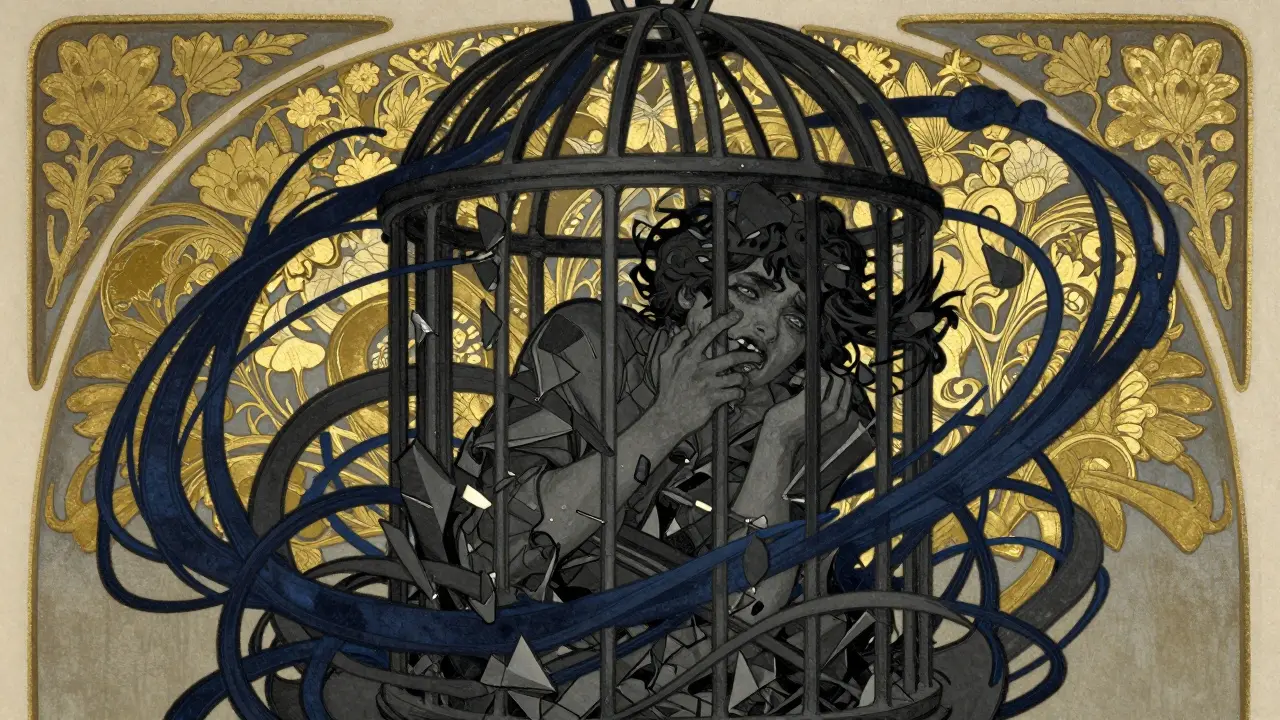
The emocionální následky rozvodu, dlouhodobé psychologické dopady, které vznikají, když dítě pociťuje ztrátu bezpečí a stability rarely look like crying. More often, they show up as perfectionism — you try too hard to please everyone because you learned that love is conditional. Or as avoidance — you push people away before they can leave you. Some people become hyper-independent, refusing help because asking for it feels like weakness. Others keep choosing partners who are emotionally unavailable, repeating the same dynamic they saw at home. These aren’t personality flaws. They’re survival strategies that never got turned off.
And it’s not just about the split itself. It’s about what happened after: the blame games, the silence, the way one parent was badmouthed, or how you were forced to choose sides. Even if the divorce seemed "civil," the emotional fallout can be brutal. The terapie po rozvodu, specializovaná podpora pro dospělé, kteří zpracovávají dětské trauma spojené s rozvodem rodičů doesn’t try to fix your parents. It helps you untangle the lies you internalized — that you weren’t enough, that love always ends, that your feelings are too much. You learn to stop carrying guilt for something you couldn’t control.
What you’ll find below are real stories and practical tools from people who’ve walked this path. You’ll see how EFT helps calm the body’s panic response when a conversation triggers old fears. How talking about your childhood doesn’t mean blaming your parents — but finally giving yourself permission to grieve what you never had. And how setting boundaries with family isn’t cruel — it’s how you rebuild safety inside yourself. This isn’t about rewriting the past. It’s about changing how it lives inside you today.
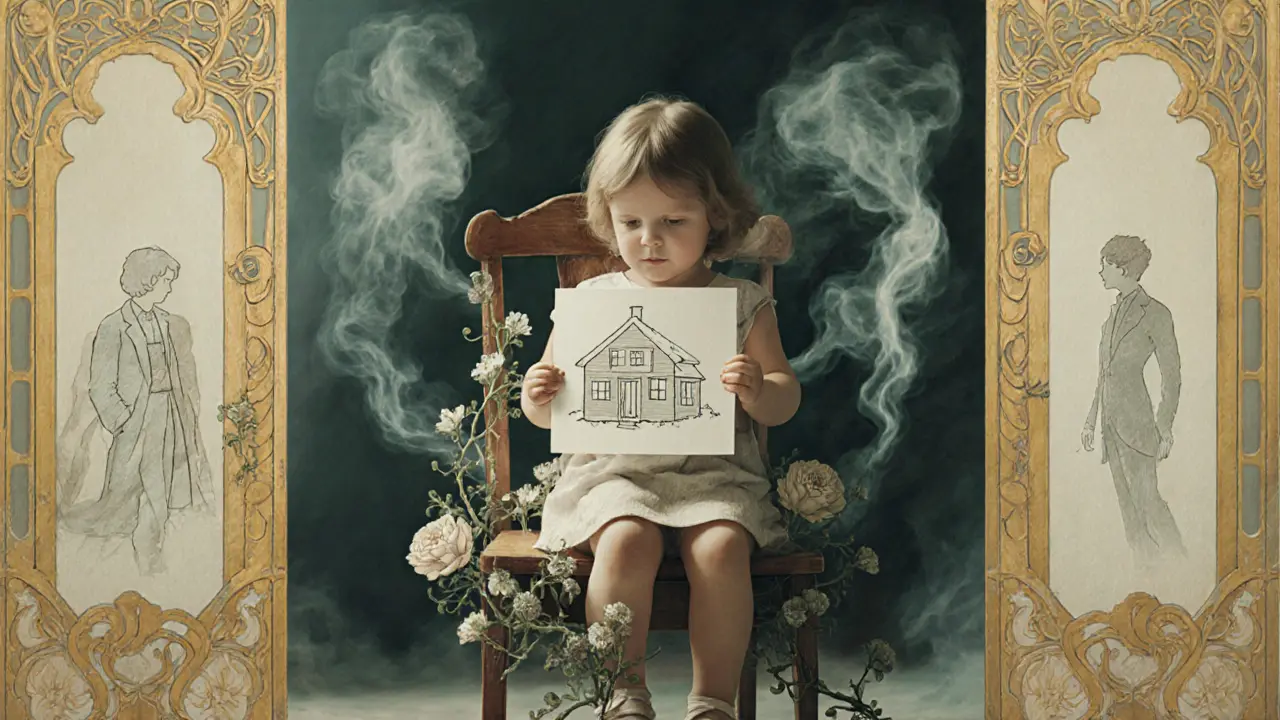
Rozvod rodičů a terapie dětí: Jak podpořit dítě v náročném období změn
Rozvod rodičů je pro dítě traumatická událost, která vyžaduje profesionální podporu. Zjistěte, jak terapie pomáhá dětem zpracovat smutek, vinnost a ztrátu, a jak rodiče mohou přispět k jejich psychickému zdraví.
Oblíbené příspěvky